
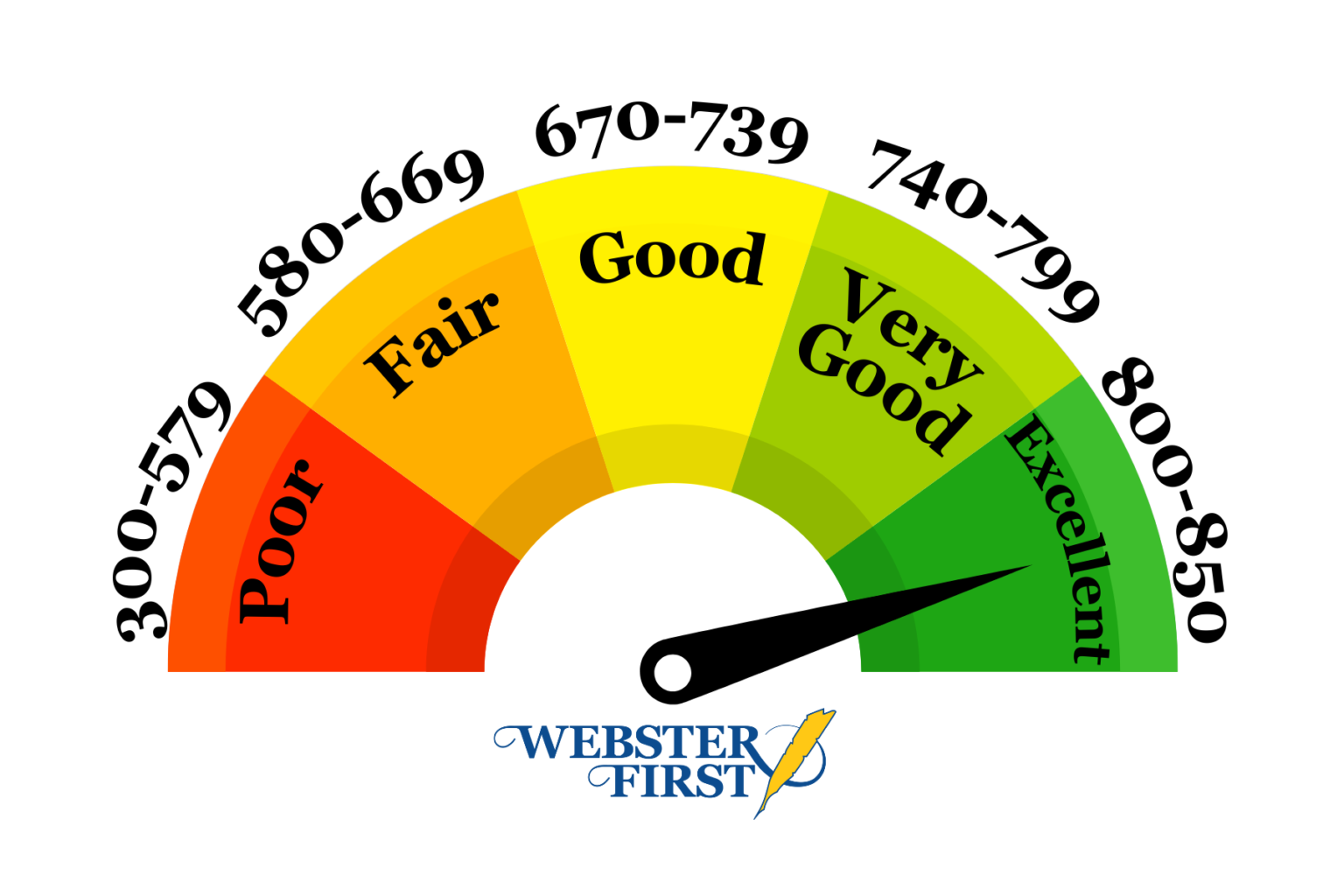
“When it comes to managing your finances and securing loans, understanding your credit score is crucial. Your credit score is a key factor that lenders, like FlexiLoans, use to determine your creditworthiness. Here’s a breakdown of what you need to know about credit score limits:”
What is a Credit Score?
A credit score is a three-digit number that represents your creditworthiness based on your credit history.
It’s calculated by credit bureaus like CIBIL, Experian, and Equifax, and typically ranges from 300 to 900.
Credit Score Ranges
- 300-549 : Poor
A score in this range indicates a high risk of default. Securing a loan with such a score can be challenging, and if approved, it usually comes with higher interest rates. - 550-649: Fair
While not ideal, a fair score may still qualify you for a loan, but expect limited options and possibly higher interest rates. - 650-749: Good
This range shows a good credit history and makes you more attractive to lenders. You’re likely to get better loan terms and competitive interest rates. - 750-900: Excellent
A score in this range significantly increases your chances of getting approved for loans with the best terms and lowest interest rates. Lenders view you as a low-risk borrower.
Why is Your Credit Score Important?
Loan Approval:
Lenders use your credit score as a primary factor in deciding whether to approve your loan application.
Interest Rates:
A higher credit score often results in lower interest rates, saving you money over the life of the loan.
Loan Amount:
With a higher credit score, you may be eligible for larger loan amounts.
How to Improve Your Credit Score?
- Timely Payments: Always pay your bills and EMIs on time. Late payments negatively impact your score.
- Credit Utilization: Keep your credit utilization ratio low—ideally below 30%. This means not using up your entire credit limit.
- Limit New Credit Applications: Multiple credit inquiries can lower your score. Only apply for new credit when necessary.
- Check Your Credit Report: Regularly review your credit report for errors and dispute any inaccuracies that may be dragging down your score.
Explore in Detail How to Improve Credit Score…….
Credit Score Myths:
Closing old accounts improves your score:
This is not always true. Length of credit history is an important factor, so keeping old accounts open can be beneficial.
Checking your own credit score will lower it:
This is a common misconception. Checking your own credit score is considered a soft inquiry and does not affect your score.
Conclusion
Understanding credit score limits is essential for making informed financial decisions. Whether you’re looking to apply for a loan, improve your existing score, or just want to manage your credit better, knowing where you stand can help you plan your next steps effectively. If you’re looking for a loan, companies like FlexiLoans offer tailored financial solutions that consider your credit profile.